
20 April 2026
E&OE
TV Interview
Sky News
20 April 2026.
Topics: Banking support; Interest free loans for business; Industry groups call for red tape reduction
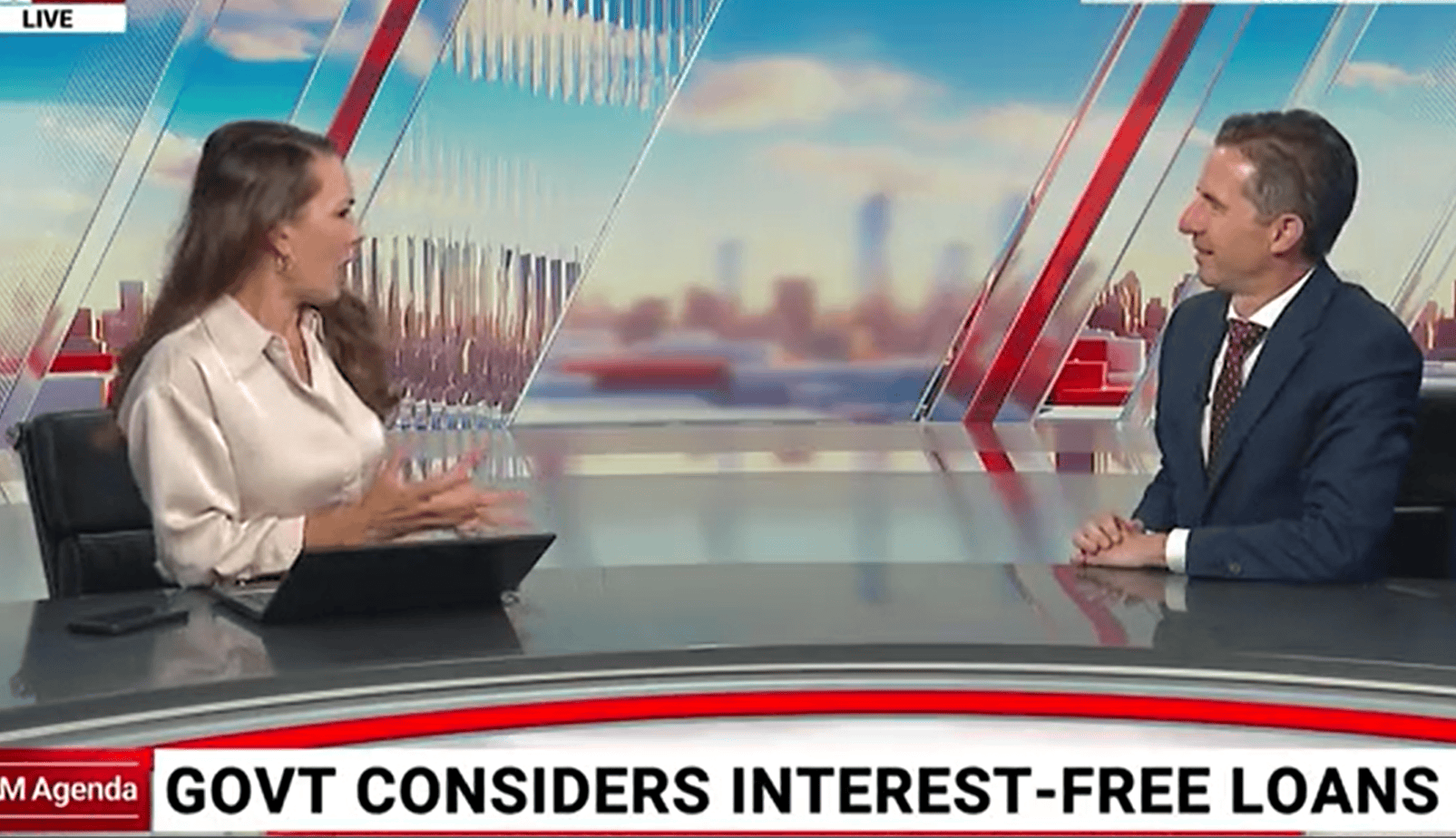
Laura Jayes (Host): Well, this morning the government has announced about a billion dollars’ worth of interest free loans for any businesses with the turnover of less than $5 million that are affected by this global oil crisis, this energy crisis that doesn’t really have an end date. Whatever happens with the Strait of Hormuz, we know it’s going to have quite a tail on it. So, joining me now is the Australian Banking Association CEO Simon Birmingham, he’s here in the studio with me. Simon, great to see you. How does this work? The government basically underwrites these loans, but the banks have to facilitate them?
Simon Birmingham (Guest): Essentially, that’s right LJ. So, Australia’s banks are stepping up to play their role in providing these loans, which the government is making available through the National Reconstruction Fund, but then banks are providing the delivery mechanism for it. And so, as you rightly said, for businesses with up to $100 million turnover, looking for some support up to up to $5 million in loan value…
Laura Jayes: I got that the wrong way, you corrected me…
Simon Birmingham: $100 million turnover, $5 million loan…
Layra Jayes: Exactly…
Simon Birmingham: That’s right across the freight, logistics sector, manufacturing sectors that are impacted as well. These critical areas of our economy that are eligible, can provide this support of some interest free finance for a period of time, up to about two years, giving them that lifeline at a time where it is really tough for many of those businesses. Of course, not everybody is eligible, but banks have already stood up extensive hardship support teams across the country to make sure they’re supporting businesses across all sectors, agriculture and elsewhere, with the type of flexible, targeted arrangement where people are feeling that pressure.
Laura Jayes: So, what type of businesses would you expect to be under most pressure here, turnover of $100 million seems like you know it would take in a lot of small, medium, even large businesses. Who’s really under pressure right now? What are you seeing?
Simon Birmingham: So, you’re small to medium, freight transport, logistics businesses are definitely in that category. We also know that that in some of the construction sector and parts of the manufacturing sectors, you’ve got businesses that are really impacted too, and particularly in those areas of manufacturing that rely upon parts of the plastics making process that have inputs that come critically from oil based products and fuel based products, they’re seeing disruptions to their supply chain, just the same as people are seeing it when it comes to the flow of liquid fuels.
Laura Jayes: So, what are the banks setting up right now? Is this a special approval plan, or is there is red tape being cut to fast track some of these loans that might be required?
Simon Birmingham: There’s couple of tracks. People who are concerned, feeling pressure in their business right now should go and talk to their bank, and this may not be the answer for them. The answer may well be some other restructuring in terms of additional cash flow support that can be available through overdraft facilities or changes to their loan structures to provide interest free periods or deferred repayments or extending those loans out, range of options. But this is one tool being supported by the government that banks are happy to help deliver in providing these interest free loans. Get in there, have that discussion with your business lender, with your bank relationship person. Make sure you’re engaging there to get the response that is right for the individual circumstance.
Laura Jayes: Okay, this feels really dangerous to work, and moving towards this kind of COVID era of support is, is it really that bad right now, out there?
Simon Birmingham: As I said before, it’s important to keep these things quite structured, careful, targeted, and that’s certainly been our message. We’re also, as an industry, providing where we can data and information through to government on what we’re seeing through the economy…
Laura Jayes: What are you seeing?We all see the consumer confidence surveys and people are really, you know, they’re telling these surveyors that, essentially, this is not a good time to go out and buy a big household item, and they’re pulling back on spending. Isn’t that what we want people to do right now?
Simon Birmingham: Well, of course, I mean, the Reserve Bank’s made that pretty clear in terms of their management of monetary policy, and we do want to see inflation come down. The sentiment is absolutely concerning. Spending at present, though, is largely holding up now, part of that is because over recent weeks, spending on fuel and petrol has been up 30% plus. That’s unsurprising for any household, but it’s seen people pull back in other areas of recreational spending, we’re not seeing big asks for hardship assistance at present, there’s no significant change in that regard, but certainly I’m monitoring that both on the business side as well as well as on the on the household side. There are in those transport logistics areas, some increased use of overdraft facilities and the like that are starting to show. So, you can see that there are pressure points there.
Laura Jayes: It seems that there’s, you know, two things happening that’s not exactly in concert. Today, we have these interest free loans. We also have the bank, the banks at least two, I think it’s just two, Westpac and NAB pulling back or changing their credit provisions for these exposed companies. Is that right?
Simon Birmingham: So certainly, a couple of banks now have advised the market that they are changing some of the capital settings around what they will hold, if you like, for potential losses from different loan types. That’s a careful, prudent management of their loan book. It’s a recognition that things could get worse, and that they do expect to see, potentially, some of their business loans get into trouble, which is why careful, targeted action is sensible, and the steps the government’s taken here, which banks are helping to deliver, provides that targeted type of approach, where responses to businesses can reflect their need.
Laura Jayes: Your time in Parliament, you would have talked about red tape almost daily, if not every budget. We see the BCA calling for a 25 per cent cut in red tape right now, this seems to be a routine call where things happen around the edges, but nothing significant is really done. What needs to be cut when we talk about cutting red tape, what are we talking about Simon Birmingham?
Simon Birmingham: One of the key parts of the call from BCA and other business groups, ourselves included today, is to see a comprehensive approach across Commonwealth, state and local government. In recognising that actually, yes, there’s a role for the Federal government to play, and credit where it’s due, the Treasurer has been talking about a budget focused on spending restraint and productivity. Red tape reduction is key part of that productivity piece, and we really want to see that that delivered and acted on. But there’s a huge role for the other sectors of government to remove duplication. Of course, as banks, we expect to be heavy, heavily regulated to ensure the safety security – we still want that to be efficient, to avoid unnecessary additional reporting…
Laura Jayes: Well let’s talk about red tape in your area. What are you seeing that you’d like to see cut? What would make banking more efficient?
Simon Birmingham: So we’ve been having some really good discussions across ASIC and APRA, two of the key regulators amongst the many that banks actually work with around streamling data reporting and removing duplication there. And so there’s some encouraging steps in that space. APRA recently announced that they’re undertaking some consultations around some of the capital standards that apply to banks, the cost of basically making loans, and we’ll be looking carefully at the detail of those to see whether that goes far enough with their opportunities to do more to make essentially capital financing in our country more productive. But we also just want to see other businesses have the best opportunity, and so the cafe that we were all at this morning the opportunity to see local government, state governments, stop duplicating in areas of approvals and licensing and regulations, and just let those small businesses spend far less time filling out forms and paying for licenses and more time creating jobs and lowering costs for Australians.
Laura Jayes: I know there’s a lot of small business people that watch us, and they will absolutely be agreeing with you right now. Simon, great to see you. Great to have you in the studio.
Ends
Latest news
Banks welcome Treasurer Jim Chalmers’ release today of draft regulations to lift the cap on covered bond issuance, a practical step that would help small and mid-tier banks access cheaper, more stable funding. ABA CEO Simon Birmingham said these changes, including streamlined reporting for smaller banks, are a welcome part of the Government’s broader productivity… Read more »
Banks have welcomed Shadow Treasurer Tim Wilson’s call today for the Australian Prudential Regulation Authority (APRA) and the Australian Securities and Investments Commission (ASIC) to give more weight to economic growth in their decision making. ABA CEO Simon Birmingham said regulation that supports growth is key to lifting productivity across the economy. “Banks want to… Read more »
E&OETV InterviewInterview ABC Afternoon Briefing19 October 2026 Topics: Australia-EU free trade deal, investment benefits Patricia Karvelas: Simon Birmingham is the CEO of the Australian Banking Association, but he’s a former finance minister in a previous coalition government. And our guest, welcome to the program. Simon Birmingham: Hi, Patricia. Good to be with you again. Patricia… Read more »